
Cabot Neighbors Block Sources
Public block research starts with what each source truly records. The Lonoke County parcel map shows land boundaries and links to parcel cards. Those cards identify owners, tax-mail destinations, situs addresses, legal descriptions, values, and transfer clues. A plat explains subdivision lots, blocks, streets, easements, and common space. Cabot permit and board records add public activity. Voter and community records have tighter limits.
| Source | What It Shows About a Block | Access |
|---|---|---|
| actDataScout map/cards | Parcel pattern, adjoining owners, mailing and situs distinctions | Free public basic search and map |
| Recorded plats | Lots, block, subdivision, streets, easements and common areas | Recorder email, mail, fax or counter |
| Cabot wards and boards | Civic representation and named public participants | City site, agendas and minutes |
| Voter file | Potential address-sorted registrants after lawful release | County Clerk request; protected fields removed |
| Permits | Public project, applicant, contractor, site and date | Planning request by address range and dates |
| Library newspapers | Block events, sales, notices, obituaries and groups | Cabot branch microfilm and genealogy help |
An owner name is not a household roll. A matching mailing and situs address, perhaps paired with a homestead clue, can support owner occupancy but still cannot name every resident. Different mailing data may mean an absentee owner, a trust contact, or a mailing preference. It does not prove that the parcel is empty.
Map Cabot Neighbors by Parcel
Use the assessor map rather than assuming that the next house number marks the next lot. Corner parcels, cul-de-sacs, vacant tracts, common areas, and one owner holding several parcels break a simple numerical list. The verified method is manual adjacent-parcel review. No official text confirmed a Lonoke buffer or radius tool, so do not claim one exists.
| Portal | Field or Control | Type | Use |
|---|---|---|---|
| actDataScout | Business/First Name | Text | Owner first or entity text |
| actDataScout | Last Name | Text | Owner surname |
| actDataScout | House Number | Text | Physical address number |
| actDataScout | Street Name | Text | Street fragment; avoid excess detail |
| actDataScout | Parcel/Assessment Number | Exact text | Direct parcel search |
| actDataScout | View / Map | Result actions | Open parcel facts or nearby geometry |
| VoterView | First and Last Name | Text | Both required for personal lookup |
| VoterView | Date of Birth | Date | Required identity check |
| VoterView | County | Dropdown | Required; choose LONOKE |
- Search the known physical address in actDataScout Lonoke Real Property. Open the parcel card and copy its parcel ID.
- Choose Map from the result. Confirm the road, subject shape, and location before moving outward.
- Click each polygon that touches the subject. Record its parcel ID, situs, owner, and tax-mail address without inferring unseen household members.
- Decide whether the search includes lots across the street. Mark adjoining, across-street, vacant, and common parcels as distinct groups.
- Use the legal description and recorded plat if map geometry or house numbers are unclear. For a whole named street, follow the Cabot street directory workflow.
The process flow is short: known address → parcel card → map polygon → touching parcels → owner cards → plat or public block context. Parcel outlines are reference data, not a land survey. Aerial views also cannot show who lives inside a home.
Cabot Neighbors and VoterView
Arkansas VoterView cannot list Cabot neighbors by block. It requires a voter's first name, last name, date of birth, and county, then returns personal registration, polling, district, and sample-ballot context. The date-of-birth gate makes it a self-lookup tool, not a public street browser. Never guess or solicit birth dates to build a neighbor list.
A lawfully released Lonoke County voter file might be sortable by residence only after the County Clerk confirms which fields can be disclosed, the format, actual cost, and use rules. No official county purchase form, street-search screen, fee, or schema was found. A narrow Arkansas Freedom of Information Act request is therefore the fallback. Secure-voter addresses must be removed.
Ark. Code Ann. §7-5-112 makes the address of a qualifying secure voter confidential. The current official rule states that the program shields domestic-violence victims' addresses from public view. Missing or inactive registration may reflect a move or file-maintenance status. It is not proof that a person never lived on the block.
Cabot Neighbor Civic Contacts
Cabot has wards, boards, commissions, schools, churches, business groups, and subdivision associations, but the research found no official umbrella neighborhood-association directory or public resident roster. HOA names may appear in plats, restrictive covenants, or Arkansas entity filings. Membership lists stay private unless a group chooses to publish them.
Cabot City Records
Government, boards, wards, agendas and minutes
Public civic roles and proceedings, not household membership.
Lonoke County Recorder
Plats, deeds and covenants
Use a subdivision and legal description to locate recorded common areas or restrictions.
Arkansas Entity Search
Corporation entity records
Search a known HOA or civic entity name and verify its public filing.
Cabot Public Library
Newspaper and genealogy services
Use public articles and notices for block history, not private rosters.
City Beautiful, the Chamber of Commerce, Cabot Public Schools, and congregations publish public points of contact or civic material. None is a substitute for consent when seeking a member list. Church and school rosters remain subject to privacy rules even when the group has deep Cabot roots.
Cabot Neighbor Safety Records
Official custody and registry tools answer narrow public-safety questions. They do not establish who currently lives on a Cabot block. A custody result reflects a custodial status. Registry entries have their own published scope, update process, and safety notice. Verify a hit at the official keeper and never use it to threaten or harass anyone.
The Arkansas Department of Corrections inmate search is the state's official population lookup.
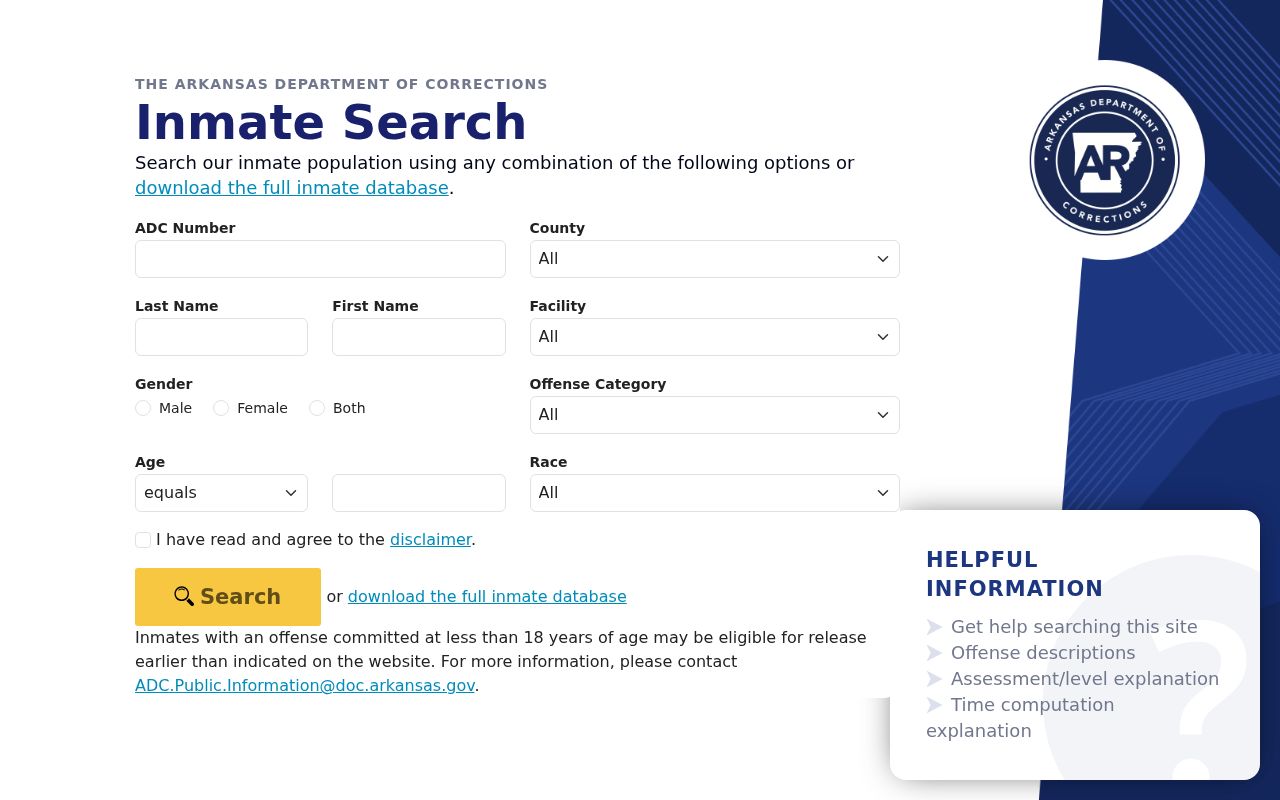
Its name and ADC identifier search supports custody research, not a Cabot neighbor roster. The Department of Corrections also links database downloads and VINE notifications through its online services.
The Arkansas Crime Information Center registry offers the official offender search.
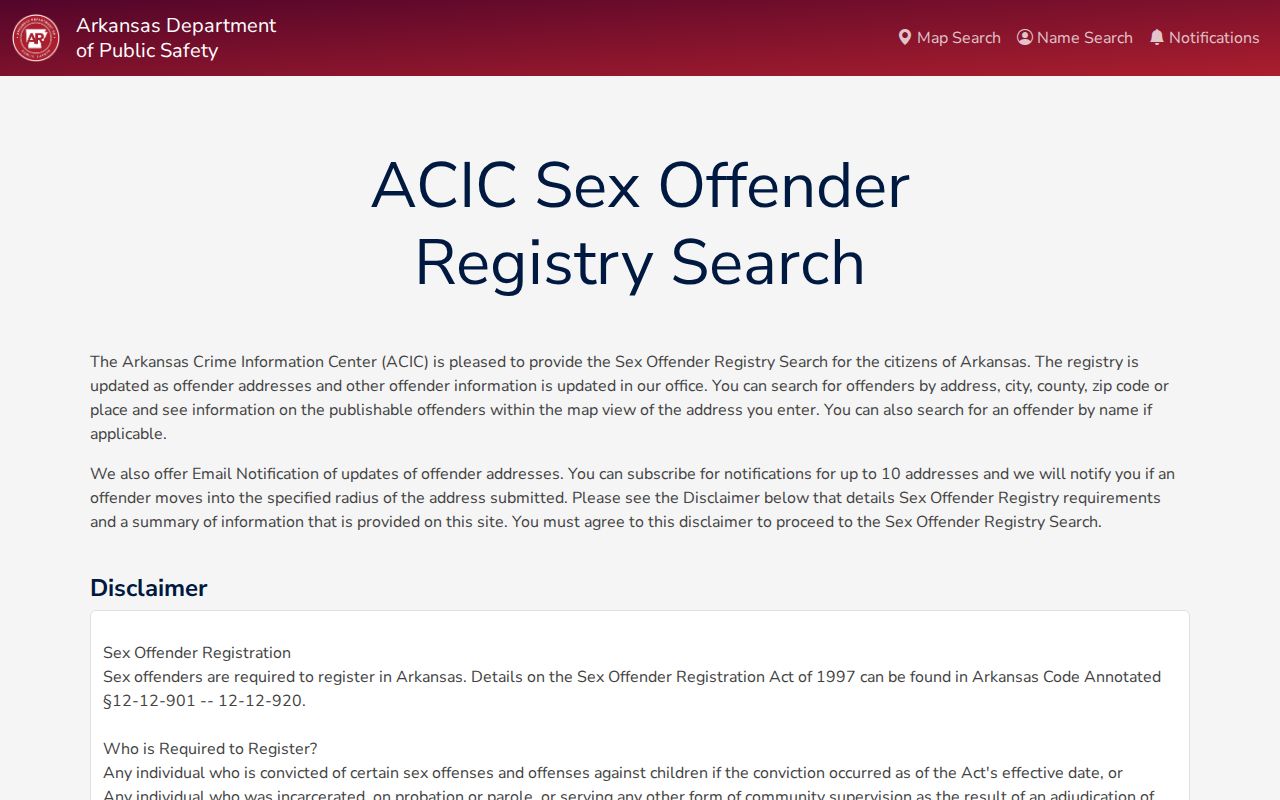
Registry data can include public name and geographic fields, level, and offense facts where authorized. The registry is not complete for every offender, and its own limitations govern safe use.
The Federal Bureau of Prisons inmate locator is limited to federal custody.
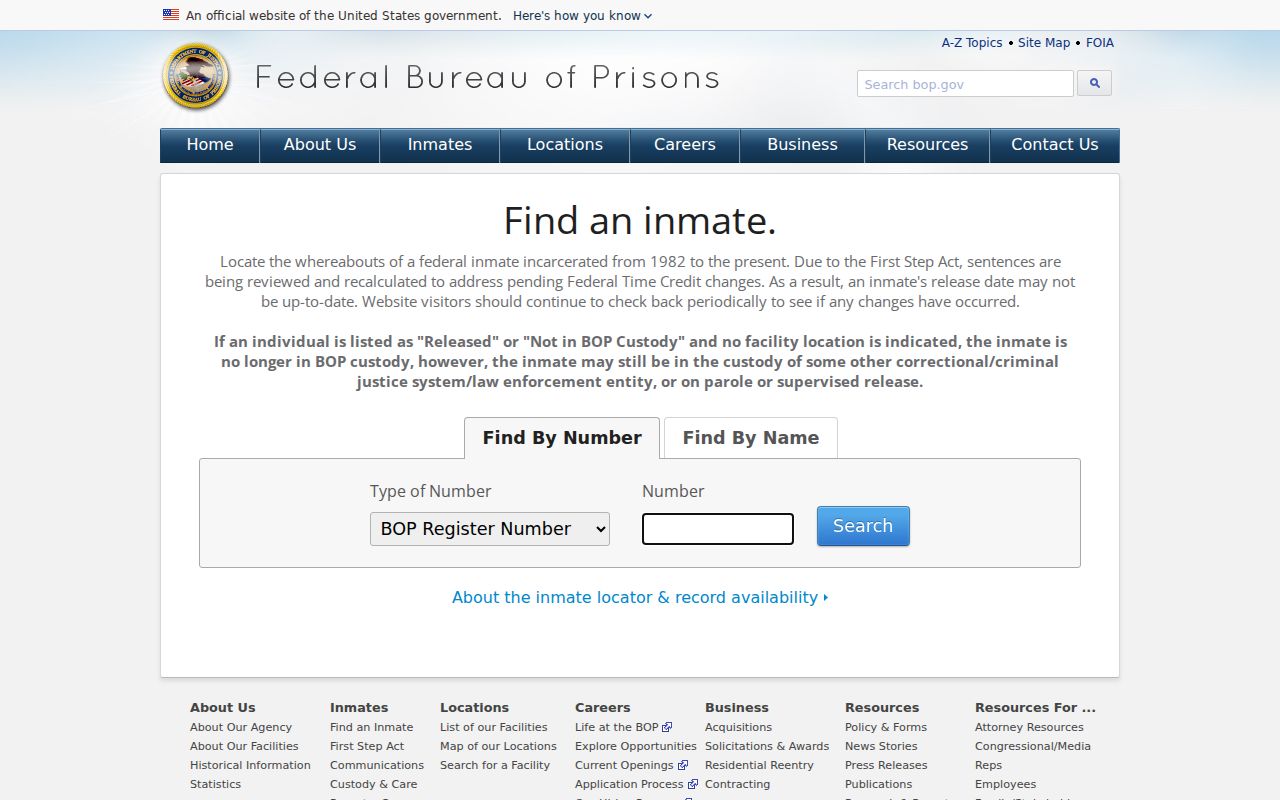
A federal result may show age, sex, release, or location facts, but it says nothing by itself about current residence in Cabot. Local detention records use the Lonoke County Sheriff's channel, while Cabot incident and accident reports require a defined request to Cabot Police and may be redacted.
Read Cabot Neighbor Block History
Permits and newspapers add a block's public story without turning it into a list of private households. Cabot Planning provides forms for new construction, accessory buildings, demolition, decks and patios, change-outs, remodels, signs, solar panels, and inspections. No public result portal was found. Request a street segment and date range, then ask for public permit records. A permit dates work and names public project parties. It does not prove residence.
Cabot Herald and Cabot Star-Herald microfilm at the county library can show sales, obituaries, public notices, school events, civic groups, and address-linked ads. The library offers genealogy classes, one-on-one help, research consulting, oral-history work, and newspaper databases. Its published catalog does not list exact reverse-directory years, so ask the genealogist what address tools are actually held.
Cabot's July 1913 Sanborn map records early streets, building footprints, materials, and uses, but no occupants. The 1976 tornado destroyed much of downtown and forced major rebuilding. In the affected core, compare the Sanborn sheet, deed or plat, newspapers, permits, and present parcel. That is safer than assuming the same structure or address evidence survived.
Compare Cabot Neighbor Tools
Official rolls and commercial neighbor tools answer different questions. Official data is tied to a keeper and record purpose. Commercial products may mix property, phone, marketing, and submitted data, which can merge households or miss renters. They cannot override secure-voter, motor-vehicle, utility, or court protections.
| Route | Useful For | Do Not Infer |
|---|---|---|
| Assessor and parcel map | Land pattern, owner of record, mailing/situs distinction | Every occupant or exact boundary survey |
| Plat and city records | Block layout, common areas, public projects and civic roles | Private group membership |
| Commercial compilation | A tentative lead to verify elsewhere | Accuracy, current household, or lawful access to closed data |
A useful Cabot neighbor lookup stays close to parcel and civic facts. It does not publish a guessed household list. When a portal result and a mailed tax address differ, preserve that distinction instead of forcing a single answer.
Cabot Neighbor Privacy Limits
Renters, children, roommates, and unlisted subscribers do not appear on the ownership roll. Municipal utility customer data is not a public residents directory. Driver data is restricted by federal law. Secure-voter addresses are confidential, while protected court, adoption, juvenile, and vital records remain closed or redacted under their own rules.
Corrections belong with the source keeper. Parcel ownership or value errors go to the Lonoke County Assessor. Deed and plat indexing goes to the Circuit Clerk/Recorder. Voter records go to the County Clerk. Court issues go to the relevant clerk. A third-party profile cannot amend those official records.
Public availability is not permission for repeated contact, watching, impersonation, or intimidation. Arkansas law bars harassment, harassing communications, and stalking. A protected address must never be pieced together from adjacent ownership, relatives, old images, or civic contacts.
Lawful use. Cabot neighbor research is for block history, civic context, reconnecting, and personal safety awareness. Never use it to stalk, harass, threaten, or expose anyone.