
Cabot Previous Residents by Era
Cabot house research reaches across sources created for different purposes. Current parcel data anchors the land. Recorder books trace legal ownership. Census schedules and newspapers can identify people at or near an address. The city plat and Sanborn map stabilize old geography, while permit files can date later physical change. Start with the row closest to the period in question, but confirm the identity with at least one other source.
| House-history source | Verified era | Cabot access point | Evidence supplied |
|---|---|---|---|
| County deeds and plat | County formed 1873; Cabot plat filed 1891; exact deed cutoff unlisted | Lonoke Circuit Clerk / Recorder | Owners, transfers, legal land identity |
| Federal census | 1880 and 1900 through 1950 public | NARA and library genealogy databases | Household, relationships, work, and address when recorded |
| Cabot Sanborn map | July 1913 edition located | Library of Congress | Street frame, building footprint, use, and material |
| Cabot newspapers | Runs unlisted; obituary-finding lead spans 1927 through 1999 | Lonoke County Libraries | Obituaries, social items, sales, and address mentions |
| City or reverse directories | Local years not published | Ask Cabot library genealogist | Listed occupant or telephone if a volume exists |
| Assessor and GIS | Current; online history unlisted | actDataScout / assessor counters | Owner, mailing and situs, parcel, values, transfer leads |
| Cabot permits | Coverage start unlisted | Planning and Zoning request | Construction, remodel, demolition, and inspection dates |
The missing dates matter. No responsible search should invent a recorder cutoff or a Cabot criss-cross run. For a recent house, begin with the parcel card. For early downtown land, begin with the legal description, 1891 plat, and deeds. For a mid-century household, combine the census with newspaper microfilm and ask the library to verify actual directory holdings.
Anchor a Cabot Past Address
Find the present parcel by situs address in the Lonoke County actDataScout search. Copy the owner exactly, along with the parcel ID, complete legal description, latest transfer date, and deed reference. Keep the physical address separate from the tax-mail address. A mismatch may point to an absentee owner or a mailing choice, but it does not identify the occupant.
The legal description is the durable key. Street numbers and postal labels can change, while a subdivision lot and block or a metes-and-bounds description follows the land. Compare the map shape as a check, though parcel lines are not a survey. If the online card is unclear, the Lonoke County Assessor has a Cabot counter at 1604 S. Pine Street, Suite E, open weekdays from 8:00 a.m. to 4:30 p.m.
Note: An owner name starts the deed trail, while a full household requires separate census, newspaper, directory, or other lawful evidence.
Trace Cabot Past Owners Backward
Lonoke County's Circuit Clerk is the ex-officio recorder for deeds, mortgages, liens, plats, and other property instruments. The public website does not state a free online index cutoff. Treat remote access as an aid, not a promised date range. The verified fallback is an email, fax, mail, or counter request to the recorder in Lonoke.
- Start with the current parcel card. Save the owner spelling, parcel ID, legal description, transfer date, and deed lead.
- Obtain the current purchase deed. Record each party, filing date, document or book and page, and the full legal land description.
- Read the current owner as grantee and the seller as grantor. Search that seller as a grantee near the earlier purchase period.
- Confirm the same land, not merely a matching surname or modern number. Repeat from one verified transfer to the one before it.
- When a death or inheritance interrupts the chain, move to probate, small-estate files, an obituary, and any deed executed by heirs or a representative.
- Grantor / grantee
- The grantor transfers an interest; the grantee receives it.
- Chain of title
- The linked sequence of recorded transfers for the same land.
- Legal description
- The formal land identity that remains useful when a street address changes.
- Criss-cross directory
- An address-arranged book that can lead from a place to a listed subscriber or occupant.
Recorder email searches are processed in the order received. Supply names, a narrow year span, the legal description, and any deed citation. Approved fax copies cost $1 per page including the cover. Certified copies require a quote, prepayment, and mailing.
Cross Cabot Record Cutoffs
When a portal ends, the trail does not necessarily end. Ask the Lonoke County recorder for an indexed search or copy with the facts already gathered. The County Clerk at 301 N. Center Street maintains a vault described as a title and genealogy resource. Its record groups also include marriage licenses and small or decedent estates, though adoption material remains confidential.
Arkansas FOIA requests must identify a record series and practical date range. An office need not answer broad research questions or create a new record. If a record is in storage or active use, the custodian can set an access time within three working days. Actual copy and transmission costs may apply. The property trail is usually more efficient as a clerk copy request than as an open-ended request to find everyone linked with an address.
Pair Cabot Residents Across Years
Census schedules offer whole households at ten-year intervals. For Cabot after Lonoke County formed, 1880 and 1900 through 1950 are public; the 1890 population schedules were largely destroyed nationwide. A census entry may include relationships, ages, birthplace, work, and an address when enumerated. It still reflects one enumeration moment and may use a route, township, or nearby place instead of a modern Cabot label.
- Anchor the known owner or family in a census year, deed, marriage, or death event.
- Record all household members and the geographic terms exactly as written.
- Search Cabot newspaper years between census points for marriages, obituaries, school lists, advertisements, and legal notices.
- Ask the library to inspect any telephone or address-arranged volume that truly covers the period. Record its title, year, and omissions.
- Return to deeds and the parcel description to test whether the people and the land still connect.
Early searches should include Austin, rural Lonoke County, township, and railroad language. Cabot began beside the Cairo and Fulton Railroad after the line bypassed Austin in 1873. A missing modern place name may reflect old geography rather than a missing family.
Find Cabot Past Residents Locally
The Cabot branch of Lonoke County Libraries is the strongest local household bridge. Its genealogy service offers classes, one-on-one help, research consultation, local documents, oral-history work, and historical newspaper resources. Cabot Herald and Cabot Star-Herald microfilm can supply address mentions, sales notices, social items, school activity, and obituaries between census years. The branch is at 909 W. Main Street, and the published schedule includes evening hours Monday through Thursday.
A secondary catalog describes an obituary-finding work for Cabot papers covering 1927 through 1999 with 23,685 entries. Confirm its present title and access with the genealogist before treating it as ready to search. No official shelf list verifies Cabot city-directory, telephone-book, or reverse-directory years. The collections themselves and their reading conventions are addressed on the Cabot city directory page.
Map Earlier Cabot Addresses
Cabot's city plat was filed at the courthouse on September 25, 1891. It gives early lots, blocks, and streets a recorded frame. The July 1913 Cabot Sanborn map is the only local fire-insurance edition found online. It can show a structure's outline, construction material, use, street framework, and nearby buildings. It does not name the family inside.
No verified citywide renumbering year was located. Compare the plat, legal description, map shape, and neighboring parcels before carrying a modern number into an old source. Permits can then date later new construction, remodels, demolition, signs, solar work, or inspections, but the city provides forms rather than a public result index. Ask Cabot Planning and Zoning for an address and date span.
Bridge Cabot's Rebuilding Break
On March 29, 1976, a tornado killed five residents and destroyed much of Cabot's business district. The city rebuilt a municipal complex, and CabotFest began in 1978 as “Cabot, We're Back.” That history is not just local color. A pre-storm address and a modern parcel may identify the same land but a different building, street context, or public use.
Compare the 1913 map, old newspaper accounts, pre-storm deed and tax facts, post-storm permits, and the current parcel. Track the legal description through the break. The city's recent Justice Center account also warns that municipal court access points can change during a facilities project, so verify the current counter before seeking an older Cabot District Court file.
Close Cabot Resident Trails
A former owner's death can move the trail from deeds into probate. Search the public court index for a probate caption, then request the estate file from the proper clerk. Petitions, representative appointments, inventories, orders, and later conveyances may connect heirs to the property. FamilySearch also offers Arkansas probate images spanning 1817 through 1979 statewide, but the available years vary by county.
Search ARCourts is replacing Public CourtConnect. The Arkansas Judiciary transition notice explains the new public case search.
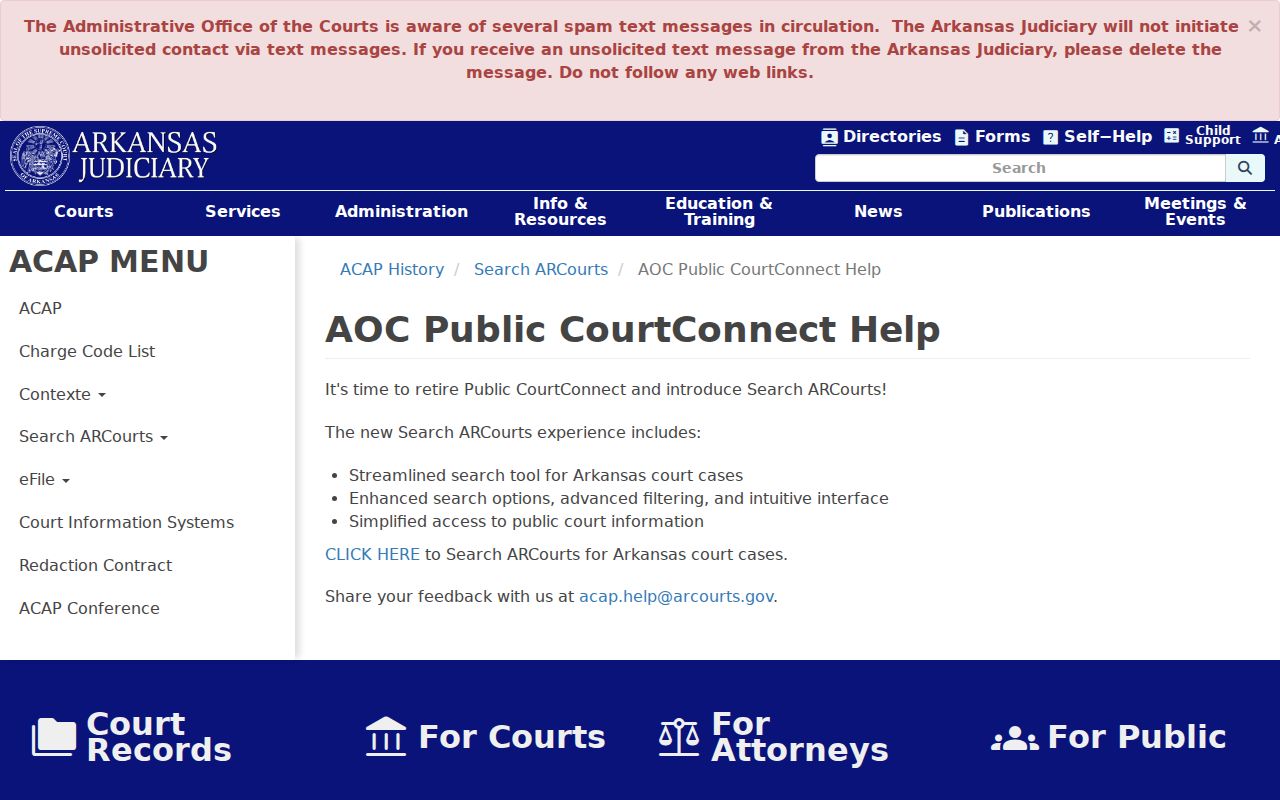
The index supplies a case lead; the local clerk remains custodian of the actual file and any certified copy.
A national unclaimed-property match can provide a name and last-known city or address fragment, but it is only a lead. The Great Arkansas Treasure Hunt offers free official searching and claims.
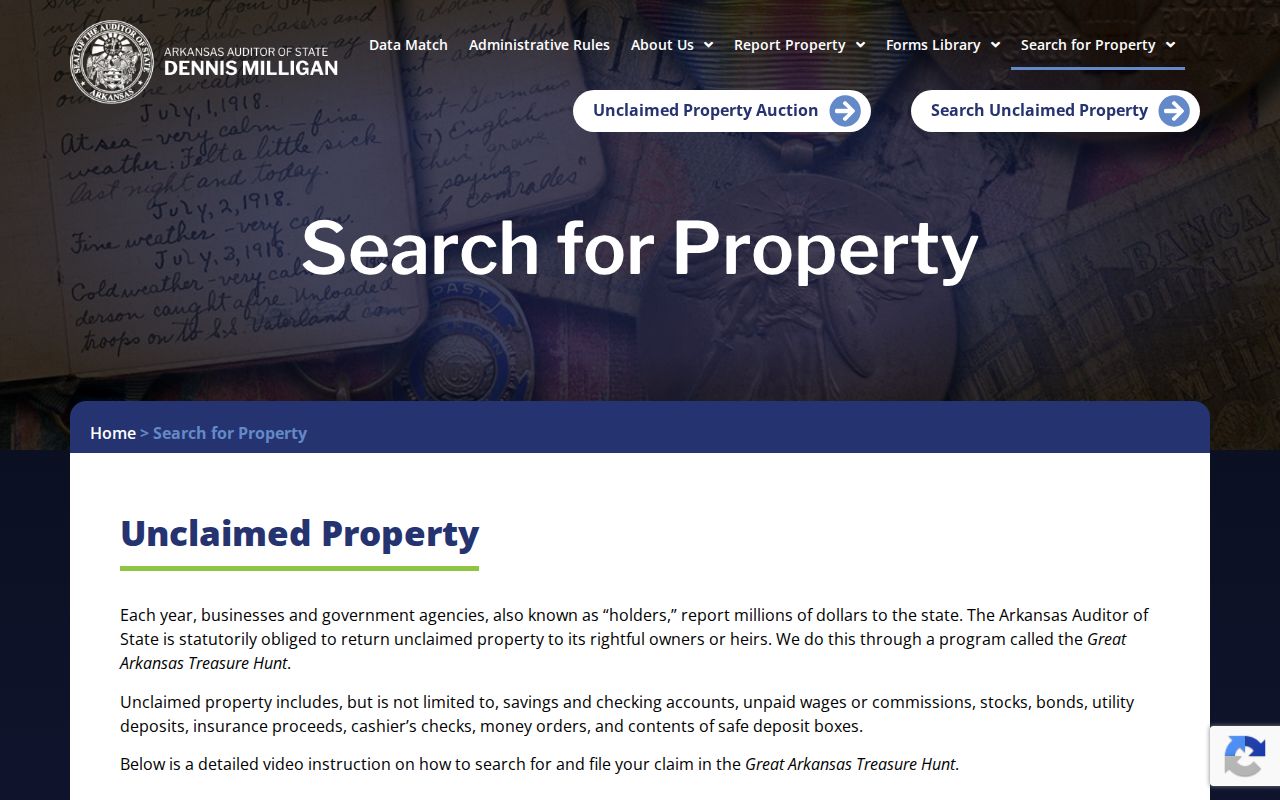
Require stronger local evidence before joining a similar name to a Cabot house.
Check Federal Cabot Record Leads
Federal litigation can sometimes explain a transfer, estate issue, business dispute, or older address clue. Lonoke County falls within the U.S. District Court for the Eastern District of Arkansas.
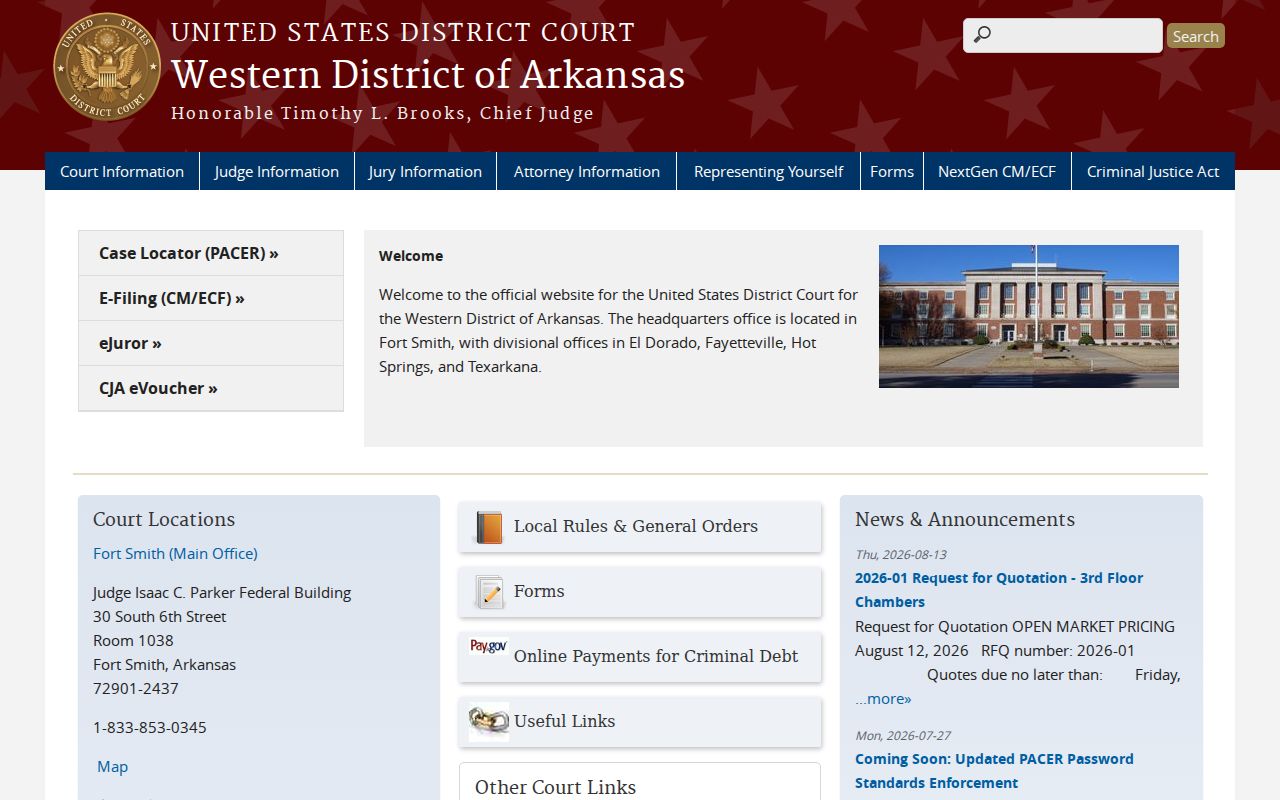
The court site identifies the correct federal trial court, while a docket search supplies only case evidence, not a resident roll.
PACER requires an account and charges $0.10 per page, capped at $3 per document; quarterly fees of $30 or less are waived under the researched schedule. Courthouse terminals can provide public access. Sensitive identifiers are redacted, and a federal address reference should be checked against the local parcel and deed chain.
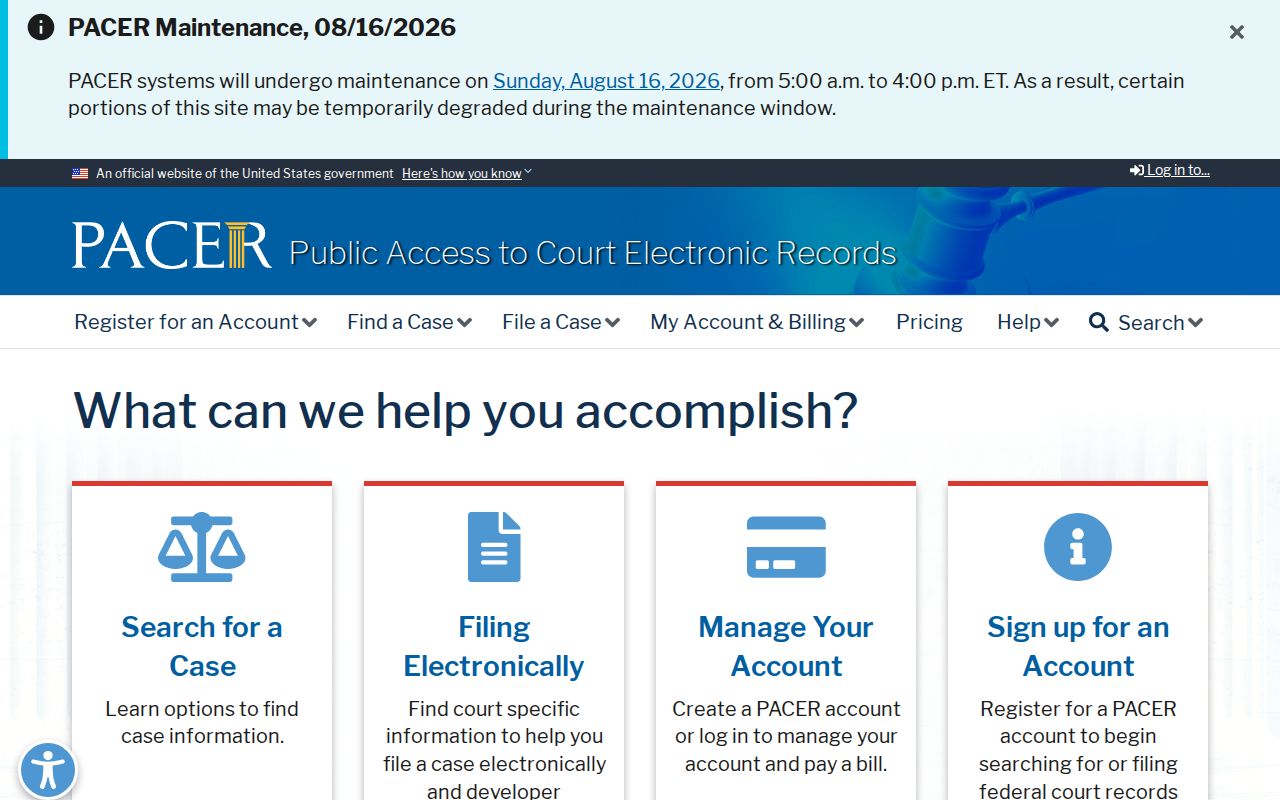
Use the case number, filing date, and party role to avoid merging people who share a name.
Confirm Cabot Previous Residents
Owners are only half of a house story. A census household, newspaper address, verified reverse-directory entry, obituary, or church and school source may identify people who did not own the parcel. Each has gaps. A directory can omit an unlisted telephone or rural route. A newspaper records an event, not continuous residence. An obituary may name prior communities without giving an exact address. A census freezes one day every ten years.
Close the loop by stating what each source actually proves. A grantee held an interest. A permit applicant sought work at the site. A listed subscriber appeared in one volume. A census household was enumerated there. When facts conflict, return to the original image or clerk file and compare names, dates, spouse, occupation, parcel, and legal description. Corrections belong with the custodian that maintains each record.
Lawful use. Cabot previous-resident research supports house history and family history. Never use it to harass, threaten, or track a living person.